Home Blog Page 4

A Closer Look at the May 2025 Philippine Elections

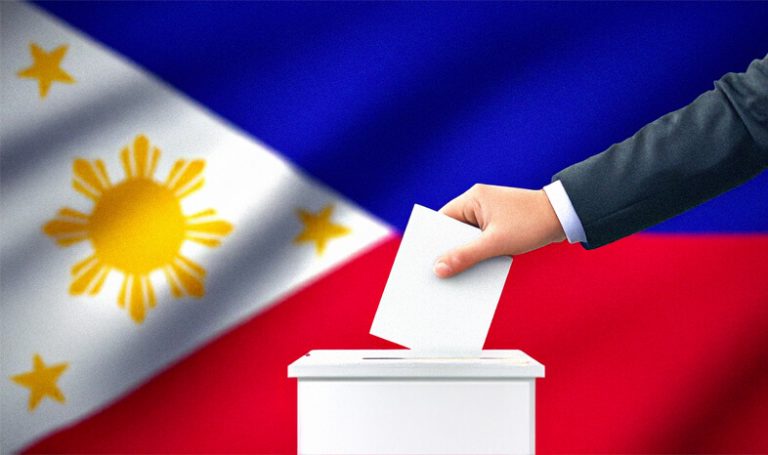
MANILA, Philippines — On May 12, 2025, Filipinos once again headed to the polls in a large-scale midterm election that offered a snapshot of the country’s democratic vitality. Citizens across the archipelago voted for lawmakers, local officials, and sectoral representatives, shaping the legislative and administrative landscape for the remainder of President Ferdinand “Bongbong” Marcos Jr.’s term.

Although the presidency was not at stake, the electoral outcome is anticipated to affect the administration’s political momentum and could define the trajectory leading to the 2028 general elections.


Upholding an Electoral Tradition

The Philippine midterm elections, conducted every three years, serve as an institutional check on the executive branch by filling half the Senate, the entire House of Representatives, and thousands of local government posts. In this cycle, more than 65 million registered voters took part in selecting 12 senators, district and party-list representatives, and local leaders including governors, mayors, and councilors.

The Commission on Elections (COMELEC) managed voting in over 1,600 cities and municipalities and 82 provinces, coordinating one of the largest democratic exercises in Southeast Asia. The vote acts as a barometer of public satisfaction with current leadership, and as a platform for introducing new political voices.


Active Citizen Engagement

Initial figures from COMELEC indicated a voter turnout rate of approximately 76%, a marginal increase from the 2019 midterm elections. The turnout reaffirmed the Philippine electorate’s enduring commitment to civic duty.

Polling stations in cities like Manila, Davao, and Bacolod experienced early queues, as citizens made their choices despite occasional disruptions due to minor technical setbacks and adverse weather conditions. Security forces maintained a high presence throughout the day, and election-related incidents were kept to a minimum.


Advancements in Electoral Technology

This year’s polls saw the continued implementation of automated election systems, which have become a fixture of Philippine voting since 2010. The vote-counting machines (VCMs) used in 2025 came with updated software and improved scanning speed, allowing faster and more reliable transmission of results.

COMELEC underscored transparency by permitting observers to witness random audits and validate the automated count. Preliminary results began appearing on the public transparency server within hours of precincts closing, reinforcing public trust in the digital voting infrastructure.

While a handful of VCMs encountered technical faults such as misreads or paper jams, most problems were swiftly addressed. COMELEC Chair George Garcia called the elections “an accurate reflection of the public mandate.”


Central Issues that Shaped the Race

Although local matters typically dominate midterm discussions, several pressing national concerns resonated with voters and shaped campaign strategies:

  • Cost of Living and Economic Recovery – With inflation slightly stabilizing but commodity prices still elevated, candidates pushed for increased job creation and support for farmers and microenterprises.
  • Education Challenges – As schools adopted more flexible learning systems post-pandemic, stakeholders called for better access to quality education and technological infrastructure.
  • Disaster Risk Management – Following a series of destructive typhoons in 2024, climate adaptation and preparedness became recurring themes among candidates, particularly in vulnerable provinces.
  • Security and Stability – Incidents of unrest in parts of Mindanao renewed calls for peacebuilding efforts and stronger law enforcement.
  • Clean Governance – Advocacy groups and watchdogs campaigned vigorously for cleaner elections, pressing candidates to commit to transparency and accountability.

Political Alliances and Notable Candidates

The elections served as a midterm assessment of President Marcos’s leadership and the staying power of his political coalition. His bloc, UniTeam, which includes the Partido Federal ng Pilipinas (PFP), Lakas-CMD, and allied regional parties, aimed to preserve its influence over both legislative chambers.

On the other side, the rejuvenated Makabayan+ opposition coalition championed progressive reforms and civil liberties. While fragmented, its presence was more strongly felt in urban districts and among younger voters.

The Senate race featured a mix of seasoned politicians, returning public servants, and new contenders. A journalist-turned-legislator, a public health advocate, and a content creator with a significant following were among the standout candidates, illustrating the evolving face of Philippine politics.


Sectoral Representation and the Party-List System

The party-list system, designed to amplify the voices of marginalized sectors, once again faced scrutiny and intense competition. Of the 177 party-list groups vying for seats, approximately 60 are projected to meet the thresholds needed for representation in the House.

Groups advocating for laborers, farmers, LGBTQIA+ rights, and indigenous peoples led active campaigns and community outreach programs. However, concerns persisted over the infiltration of traditional political elites into the party-list space—an issue long cited as undermining the system’s original intent.

COMELEC reiterated its call for legislative reforms to preserve the integrity of sectoral representation.


Maintaining Order and Security

Overall, law enforcement agencies described the elections as peaceful, with fewer reported incidents compared to prior midterms. Authorities responded to scattered reports of vote-buying, intimidation, and isolated violence in recognized election hotspots such as parts of Maguindanao del Norte, Masbate, and Abra.

More than 3,000 individuals were apprehended for violations of the gun ban and other electoral regulations. The Philippine National Police (PNP) was lauded for its enhanced coordination and presence in critical areas.

Election watchdogs noted significant improvements in logistics, security response, and voter assistance compared to previous elections.


What Comes Next?

With vote counting proceeding swiftly and official results expected within days, political analysts are now turning their attention to the realignment of power within Congress and local governments.

A major question looming is whether the Marcos administration will renew its push for constitutional amendments, commonly known as “Charter Change.” While supported by some administration allies, such proposals remain polarizing and would require strong Senate backing—something that the election results may either enable or restrict.

At the grassroots level, while many entrenched political families retained seats, new and reform-oriented leaders gained ground in some localities, including Pasig, Iloilo, and Cagayan de Oro. The emergence of younger, independent-minded candidates was attributed to better voter education and growing digital political awareness.


Democracy in Motion

Despite recurring challenges such as political dynasties, electoral disinformation, and technical hiccups, the 2025 Philippine midterm elections once again highlighted the resilience of the country’s democratic institutions.

The relatively smooth conduct of the vote, the active participation of voters, and the diverse composition of newly elected officials suggest that democratic engagement in the Philippines remains strong and evolving.

In the coming months, all eyes will be on how the new political configuration addresses urgent national issues and responds to the public’s expectations. As the nation marches forward, this election stands as a reminder that Filipinos remain committed to shaping their collective future at the ballot box.
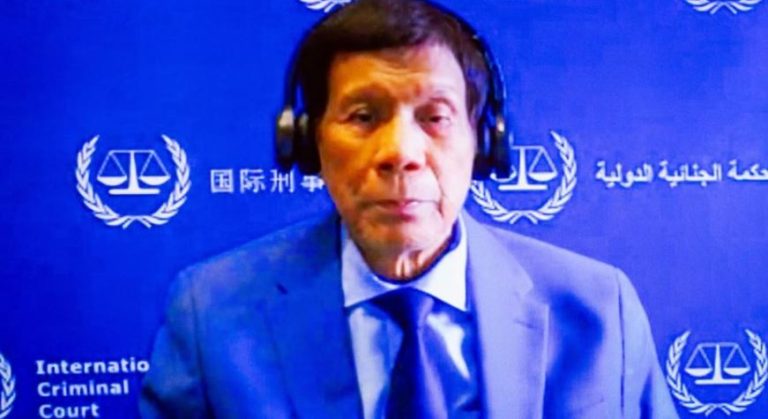
Rodrigo Duterte: A Surprising Victory from The Hague

Rodrigo Duterte: A Surprising Victory from The Hague

In a remarkable and unprecedented political event, former Philippine President Rodrigo Duterte has won a significant electoral victory while incarcerated in a jail cell in The Hague. This astonishing outcome has not only sent ripples through the political landscape of the Philippines but has also raised pressing questions about the implications for democracy, governance, and human rights in the country. This article delves into the context, details, and potential ramifications of Duterte’s victory, exploring the complexities of the Philippine political system and the challenges ahead.

The Rise of Rodrigo Duterte

Early Life and Political Career

Rodrigo Duterte was born on March 28, 1945, in Maasin, Southern Leyte. He pursued a law degree at San Beda College and later entered public service as a lawyer and politician. His political career began in earnest when he was elected mayor of Davao City in 1988. Duterte served multiple terms as mayor, amassing a reputation for his tough stance on crime and corruption.

Duterte’s approach to governance in Davao City involved a controversial anti-crime campaign that helped Davao transform from being a crime-infested city to a peaceful environment, sending criminals away from the city. This approach garnered him a loyal following from his constituents and later laid the groundwork for his presidential campaign in 2016.

Presidential Campaign and Election

In 2016, Duterte ran for president on a platform centered around law and order, promising to eradicate crime and drugs within six months. His campaign resonated with many Filipinos who were frustrated with rising crime rates and perceived government ineffectiveness. Duterte’s charismatic personality and direct communication style, often laced with controversial remarks, further endeared him to the electorate.

Duterte won the presidential election with a commanding lead, securing over 16 million votes, which accounted for more than 38% of the total. His victory marked a significant shift in Philippine politics, as he positioned himself as an outsider willing to challenge the political elite.

The Controversial Presidency

War on Drugs

Upon taking office, Rodrigo Duterte launched and initiated an aggressive campaign against illegal drugs, famously labeling it the “war on drugs.” This extensive effort aimed to at least mitigate and address the pervasive issue of drug addiction problems in the Philippines, specifically focusing on targeting on dismantling the operations of drug lords and drug pushers. For the first time in the nation’s history, significant strides were made in controlling this crisis, as many drug pushers went into hiding while a substantial number of drug addicts voluntarily surrendered, seeking the promise of a better life through rehabilitation and support. This initiative, known as Tokhang, was a massive and aggressive nationwide effort by the government, marking a pivotal moment in the Philippines’ approach to combating illegal drugs. The campaign involved not only law enforcement actions but also community engagement, as local officials were encouraged to participate in the process of identifying and assisting those affected by addiction.

As a result of the campaign, many Filipinos reported feeling safer walking the streets, and there was a palpable sense of relief among communities that had long been plagued by drug-related violence and crime. Citizens who had lived in fear for decades began to express their gratitude for the government’s efforts, appreciating the visible changes in their neighborhoods as drug addicts sought to turn their lives around.

However, the campaign was not without its critics and met with significant criticism from political opponents. His opponents characterized it as a series of operations marred by allegations of extrajudicial killings and human rights abuses, raising serious concerns about the rule of law and the protection of civil liberties in the country. Detractors raised serious concerns regarding the methods employed, particularly allegations of extrajudicial killings and human rights violations. These criticisms highlighted the ethical implications of the aggressive tactics used in the campaign, leading to a deeply polarized public discourse. While some celebrated the apparent successes in reducing drug-related crime, his political rivals campaigned against the administration’s efforts to combat the drug problems as a violation of human rights.

In summary, Duterte’s Tokhang campaign elicited a complex response from the Philippine populace, reflecting the ongoing struggle between the desire for safety and the imperative to uphold human rights.

Political Maneuvering and Challenges

Throughout his presidency, Duterte faced various challenges, including political opposition, economic issues, and natural disasters. Despite these challenges, he maintained a significant level of public support, particularly among those who believed that his tough policies were necessary to restore order.

Imprisonment and Legal Troubles

Despite his popularity, Duterte’s presidency has been marred by legal troubles initiated by his long-term political rivals and adversaries. Following the end of his term, political enemies never stopped. Numerous charges and allegations related to human rights abuses and corruption continued until such time as his presidential protection expired. In a shocking turn of events, he was arrested and extradited to “The Hague” to face charges before the International Criminal Court (ICC) for crimes against humanity filed by his critics and political enemies. The shockwaves of events angered his massive supporters and dramatically reunited his followers around the world to campaign for his return to the Philippines. Supporters from around the world traveled to “The Hague” in Netherlands to show their support for the former president.

Duterte’s imprisonment did not diminish his influence among loyal supporters, yet, it gained him more followers and believers who continued to view him as a champion of the Filipino people. His legal battles became a rallying point for his followers, who framed them as politically motivated attacks against a leader who dared to challenge the status quo and who once made the Philippines a safer place to live as drug lords went into hiding and drug pushers and users turned themselves over to the government for a better life.

The 2025 Election: A New Chapter

Campaigning from Jail

In the lead-up to the 2025 elections, Duterte’s supporters launched a campaign to secure his return to power, despite his incarceration. Utilizing social media and alternative platforms, they disseminated messages that emphasized his achievements during his presidency and framed his legal troubles as unjust persecution.

Duterte’s campaign was characterized by a blend of nostalgia for his previous administration and a promise to continue his policies of law and order. His supporters portrayed him as a victim of a corrupt system, appealing to voters’ emotions and sense of justice.

Election Results

The election results were nothing short of astonishing. Despite being physically absent from the Philippines, Duterte’s party, the PDP-Laban, emerged victorious, securing a majority of seats in the legislature. This outcome demonstrated the enduring loyalty of his supporters and the effectiveness of his campaign strategy.

Duterte’s victory raised critics’ eyebrows both domestically and internationally. Political analysts noted that this was a significant moment for Philippine democracy, as it highlighted the complexities of voter sentiment and the power of political branding.

Duterte’s Victory

Duterte’s victory from prison raises critical questions from critics about the nature of political loyalty in the Philippines. Many voters remain steadfast in their support for Duterte, viewing him as a leader who prioritizes their safety and security.

Critics argue that Duterte’s continued influence undermines democratic principles, as it suggests that a leader can evade the consequences of their actions while still wielding power.

Human Rights Concerns from Political Opponents

With Duterte back in government office, his political enemies who sought the help of international organizations have expressed alarm over the possibility of renewed human rights violations under Duterte’s leadership. The Philippines’ relationship with the international community may become increasingly strained as calls for accountability and justice intensify.

The Role of Social Media

Duterte’s campaign from prison also underscores the significant role of social media in shaping political narratives. His supporters effectively utilized platforms like Facebook and Twitter to mobilize voters, disseminate information, and counter negative portrayals of his administration.

This phenomenon raises questions from political rivals about the impact of social media on democracy. While it can serve as a tool for political engagement, it can also facilitate the spread of misinformation and polarization, as claimed by his political opponents. Duterte has massive and worldwide supporters across social media platforms.

The Future of the Philippines

Political Landscape

As Duterte prepares to take on his new role from The Hague, the political landscape of the Philippines is poised for significant changes. His party’s control over the legislature may enable him to push through policies aligned with his vision, potentially reversing many of the democratic reforms implemented in recent years.

The opposition faces a daunting task in countering Duterte’s influence. Divisions within the political landscape, coupled with the lingering effects of his presidency, may hinder efforts to build a cohesive resistance. The question remains whether the opposition can effectively mobilize and articulate an alternative vision for the Philippines.

The Role of Civil Society

In the face of Duterte’s resurgence, as expected, political enemies associated with civil society organizations, and human rights advocates will play a crucial role in holding the government accountable. Grassroots movements and coalitions may emerge to challenge Duterte’s policies and advocate for democratic reforms.

End Notes

Rodrigo Duterte’s unexpected electoral victory from a jail cell in The Hague marks a significant moment in Philippine history. It raises profound questions from opponents and critics about loyalty, accountability, and the future of democracy in the country. As Duterte prepares to exert influence from prison, the issues for human rights, governance, and civil society against his return to power are immense.

The Philippines stands at a crossroads, facing challenges that will shape its political landscape for years to come. The resilience of the Filipino people will ultimately determine the path forward. As the nation grapples with the complexities of this unprecedented situation, the world watches closely, awaiting the unfolding of a new chapter in Philippine politics.

#RodrigoDuterte #TheHague #DuterteWinsDavao #Duterte2025 #DuterteElection2025 #DavaoElection2025 #DavaoMayor2025 #DuterteWinsDavao

Share Your Thought

We would love to hear from you. What are your thoughts on this article? Please share your insights in the comment section below!

Robert Francis Prevost Elected as Pope

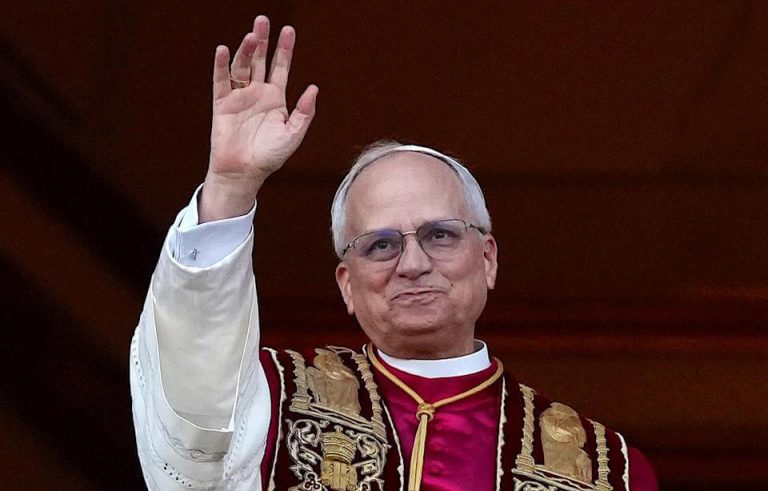
On May 8, 2025, the Roman Catholic Church witnessed a pivotal moment in its history as Cardinal Robert Francis Prevost was elected the 267th pope, choosing the name Leo XIV. His elevation to the papacy marks a series of historic milestones: he is the first American-born pontiff, the first member of the Augustinian order to become pope, and the first leader of the Catholic Church from an English-speaking nation in nearly a millennium.


Humble Beginnings in Chicago

Robert Francis Prevost was born on September 14, 1955, in the bustling South Side of Chicago, Illinois. The son of Louis Marius Prevost, who had French and Italian roots, and Mildred Martínez, of Spanish descent, he grew up in a multicultural environment deeply rooted in Catholic values. He was raised in a tight-knit community centered around St. Mary of the Assumption parish, where he first developed a passion for service and spirituality.

After completing his early education, Prevost pursued a degree in mathematics at Villanova University, graduating in 1977. But it was not numbers that would define his future—it was his calling to religious life. He entered the Order of Saint Augustine and began studying theology at the Catholic Theological Union in Chicago. Eventually, he deepened his expertise in Church law, earning advanced degrees in canon law at the Pontifical College of St. Thomas Aquinas in Rome.


Missionary Years in Peru

In the mid-1980s, Prevost’s path took a decisive turn when he was sent to Peru as a missionary. There, he served in the northern region of the country for nearly two decades, not only as a parish priest but also as a mentor and educator in seminaries. He played a critical role in shaping the local Church, often traveling long distances to reach underserved communities.

His work in Peru went beyond religious duties. He was widely respected for his deep compassion and humanitarian efforts, particularly during times of crisis such as earthquakes and the COVID-19 pandemic. His consistent outreach to the poor and marginalized earned him the affectionate nickname “the saint of the north.” In recognition of his contributions, he was granted Peruvian citizenship in 2015.


Rising Through the Ranks

Prevost’s talents as an administrator and spiritual leader became increasingly evident during his service as the global head (Prior General) of the Augustinian Order from 2001 to 2013. Under his leadership, the order expanded its missions and strengthened its community around the world.

In 2014, Pope Francis appointed him Bishop of Chiclayo, Peru, a significant position that cemented his reputation in both Latin America and the Vatican. Within a few years, his responsibilities grew further when he was called back to Rome to serve as Prefect of the Dicastery for Bishops in 2023. This role placed him at the heart of Church governance, overseeing the selection of bishops globally. In 2024, he was elevated to the rank of cardinal.


Election to the Papacy

Following the passing of Pope Francis in April 2025, the College of Cardinals convened to elect a new spiritual leader for the world’s 1.3 billion Catholics. After several rounds of voting, consensus formed around Robert Prevost, admired for his balance of theological integrity, pastoral sensitivity, and international perspective.

On the evening of May 8, he appeared on the balcony of St. Peter’s Basilica as Pope Leo XIV, a name reflecting both strength and continuity. The choice of the name “Leo” evokes past leaders known for doctrinal clarity and reform, notably Leo XIII and Leo the Great.


A Vision for the Church

In his first address as pope, Leo XIV emphasized peace, justice, and compassion. He highlighted the urgent need for the Church to be a force of reconciliation in a fractured world, and reiterated the importance of protecting the environment, addressing poverty, and welcoming migrants and refugees.

Leo XIV is seen by many as a natural successor to Pope Francis—not just in terms of geography and outreach, but also in his pastoral priorities. He is expected to continue efforts to reform the Church’s internal systems, with a focus on transparency, accountability, and addressing the global clergy abuse crisis. His background as a canon law expert positions him to enforce Church laws more effectively while promoting a spirit of mercy.


A Bridge Between Worlds

One of Pope Leo XIV’s defining characteristics is his ability to connect diverse worlds. He is American by birth, Peruvian by choice, and Roman by mission. He understands the needs of both the Global North and South, having lived among the rich and the poor, the powerful and the marginalized. This unique perspective is expected to shape his papacy into one that fosters unity in diversity.

His deep ties to Latin America, a region home to nearly 40% of the world’s Catholics, give him credibility among the faithful in the global south. At the same time, his American upbringing and academic formation in Europe make him accessible to Western audiences who may feel distanced from Vatican culture.


Challenges and Hopes

Pope Leo XIV assumes leadership at a complex moment in Church history. He inherits a legacy of reform from his predecessor, but also faces growing tensions within the Church. Conservative and progressive factions continue to clash over issues such as the role of women, LGBTQ+ inclusion, clerical celibacy, and synodality.

Moreover, global crises—climate change, economic inequality, political instability, and declining religious affiliation in some regions—present urgent challenges. Pope Leo XIV’s experience in diplomacy and grassroots ministry positions him to guide the Church with wisdom and humility through these turbulent times.

There is hope that he will emphasize listening and dialogue, bringing more voices—especially those of women and laypeople—into the decision-making process. His past shows a preference for collaboration and consensus, values that are becoming increasingly important in the Church’s evolving structure.


Looking Ahead

The world watches with anticipation as Pope Leo XIV begins his pontificate. At 69, he brings maturity, global experience, and a grounded sense of purpose to the office. His leadership is expected to build bridges across cultures and ideologies, reenergizing the Church’s mission in the modern world.

His story—from a Chicago neighborhood to the highest office of the Catholic Church—is both extraordinary and symbolic of a more globalized faith. It demonstrates the Church’s ongoing transformation and its desire to engage with the realities of the 21st century while remaining rooted in spiritual tradition.

In Pope Leo XIV, many see a shepherd who knows both the suffering and the hopes of the people—and who may very well guide the Church into a new era of compassion, service, and renewal.

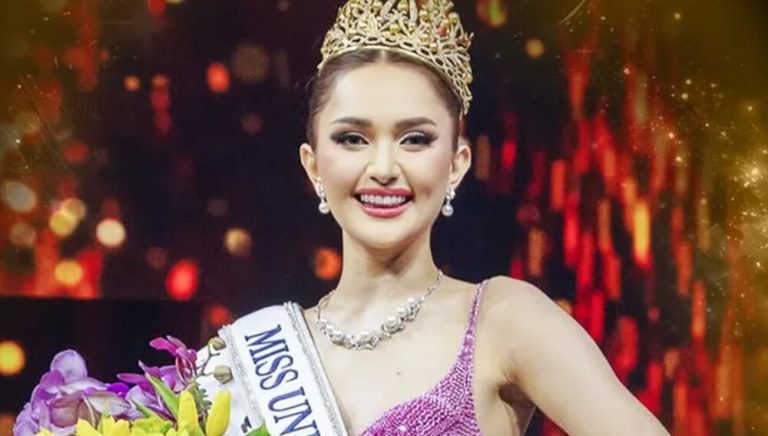
Ahtisa Manalo Crowned Miss Universe Philippines 2025

Maria Ahtisa Manalo of Quezon Province captured the Miss Universe Philippines 2025 crown on May 2 at the Mall of Asia Arena in Pasay City. Her coronation wasn’t just the culmination of a single night—it marked the breakthrough of a determined contender who refused to give up. After two previous tries, Manalo’s persistence paid off, solidifying her status as one of the country’s most resilient and inspiring beauty queens.


The Road to the Crown

Ahtisa’s journey in the world of pageantry began several years ago when she first made headlines as Binibining Pilipinas International 2018. She proudly represented the country at Miss International later that year and finished as first runner-up—a remarkable feat that hinted at even greater achievements to come.

Her first attempt at the Miss Universe Philippines title came in 2024, where she earned the second runner-up spot. Although she didn’t take home the crown, her performance secured her the role of Miss Cosmo Philippines, which allowed her to compete internationally and land a spot in the Top 10. Far from discouraged, she returned in 2025, more refined, more focused, and more determined than ever to bring the crown home to Quezon.


A Night to Remember

Pageant night was nothing short of electric. Ahtisa stepped onto the stage with the calm confidence of a seasoned contender. But it wasn’t all smooth sailing—during the evening gown segment, she experienced a brief stumble. Instead of letting it shake her, she turned the moment around with elegance, flashing a composed smile and continuing with renewed poise.

This small misstep became a defining moment. It reminded viewers of past beauty queens who rose even higher after faltering, proving that strength lies not in perfection but in how one recovers. The audience cheered louder, the judges took notice, and Ahtisa emerged stronger in spirit.

During the Top 6 question and answer round, she was asked how one can lead by example. Drawing from her earlier slip, Ahtisa spoke candidly about embracing imperfection and choosing grace in the face of challenges. She credited her late grandmother as her source of wisdom and strength—a deeply personal touch that resonated powerfully with both the judges and the audience.

The final decision felt inevitable. As the reigning Miss Universe Philippines, Chelsea Manalo of Bulacan, passed the crown, the crowd erupted. Ahtisa’s smile said it all: this was her moment, and she had earned every second of it.


More Than a Beauty Queen

While her beauty and stage presence are undeniable, Ahtisa is more than just a pageant winner. Off-stage, she champions causes close to her heart. A passionate advocate for gender equality and a vocal ally of the LGBTQIA+ community, she lends her voice to meaningful social conversations. Her involvement with Alon Akademie, a program focused on cultivating leadership and global thinking in children, underscores her commitment to empowering the next generation.

Beyond advocacy, Ahtisa has also made her mark in business. She co-owns and operates two cafés in Australia—Cafe Noun and Call Me Harris—and is involved in several food brands such as Koomi, Oh My Greek, and Zig Foods. Her ability to juggle entrepreneurship with pageantry speaks volumes about her discipline and vision.


Eyes on the Universe

With the national crown now hers, Ahtisa turns her attention to an even bigger stage: Miss Universe 2025, to be held in Thailand on November 21. Representing the Philippines—a country with a rich and passionate pageant tradition—is both a privilege and a challenge, but one she’s clearly ready to take on.

As she begins preparations for the international competition, the pressure mounts, but so does the support from fans and fellow Filipinos who believe in her journey. She now stands not only as a symbol of beauty but also as a beacon of perseverance, proving that failure is not the end—it’s often the beginning of something extraordinary.

Ahtisa Manalo’s story is a reminder that true queens don’t always win on their first try. Sometimes, the crown is meant for those who rise, fall, and rise again—stronger, wiser, and more radiant than ever.

Director Ricky Davao Dies at 63 After Battle with Cancer

Manila, Philippines — Ricky Davao, the acclaimed Filipino actor, director, and theater artist, passed away on May 2, 2025, at the age of 63, after a private battle with cancer. His death was confirmed by his family, who requested privacy as they mourn the loss of a man widely regarded as one of Philippine entertainment’s most versatile and enduring talents.


A Life in the Spotlight

Frederick Charles Caballes Davao, born on May 30, 1961, in Manila, was the son of esteemed actor Charlie Davao. Ricky’s journey into the entertainment world began in the late 1970s as a dancer with the Vicor Crowd, a performance group celebrated for its high-energy acts. Although dancing sparked his initial passion, Ricky eventually shifted to acting, where he discovered his true talent.

His early roles highlighted his ability to adapt to diverse characters, quickly gaining recognition for his range and depth. Over time, Ricky became a beloved figure in both Philippine cinema and television, admired for his dedication and standout performances that earned him both critical praise and a devoted following.


Celebrated Career in Film, Television, and Theater


Ricky Davao’s career spans a rich variety of both commercial and indie films, where his performances have left a lasting impact. He has received critical acclaim throughout his journey, winning several Best Actor awards at major events like the Metro Manila Film Festival and the Gawad Urian Awards. His standout roles in films such as Saranggola, Minsan May Isang Puso, and Mga Pusang Gala have been particularly celebrated, cementing his status as one of the most talented actors of his generation.

Ricky Davao’s influence extends beyond cinema, with notable achievements in television where he excelled in both acting and directing. He helmed several episodes for acclaimed series, including Maalaala Mo Kaya, Ang Munting Paraiso, and Magpakailanman. His work, whether on screen or behind the scenes, showcased his diverse skills and solidified his reputation as a multi-talented figure in the entertainment world.

Ricky Davao’s talents also made a significant mark in Philippine theater, where he embraced demanding roles in plays like Bongbong at Kris, Larawan, and Insiang. His portrayals on stage were celebrated for their emotional richness and genuine portrayal, earning him recognition as a true master of his craft.


Personal Life and Relationships

In 1989, Ricky Davao wed actress Jackie Lou Blanco, and the couple went on to have three children: Rikki Mae, Ara, and Kenneth. Despite parting ways in 2011, they remained on good terms and continued to work together on various projects. Their professional bond was reignited in 2021 when they reunited for the drama series I Can See You: AlterNate, where they played a married couple once again.

During a 2022 interview, Jackie Lou shared her thoughts on her relationship with Ricky, saying, “I still care for him, but not in the same way I once did. My feelings for him have evolved into something deeper—rooted in love and respect, though no longer of a romantic nature.”

Ricky was a hands-on and loving father, cherishing time spent with his children. In 2024, he and his daughters revisited a cherished family photo, a heartfelt tribute that touched his fans and highlighted the strong connection he continued to share with his loved ones.


Legacy and Tributes

The news of Ricky Davao’s passing elicited an outpouring of grief and tributes from colleagues, fans, and the broader entertainment community. Many remembered him not only for his artistic contributions but also for his kindness, humility, and mentorship to younger artists.

Gina Alajar, a close friend and former co-star of Ricky, spoke fondly of him, saying, “Ricky was not only an exceptional actor but also a kind-hearted friend, a guiding mentor, and a true gentleman.”

Ricky’s influence extended beyond his performances. He was known for his commitment to social causes and his efforts to uplift the Philippine arts scene. His work in theater, in particular, was instrumental in bringing attention to important social and political issues.


Final Projects and Posthumous Releases

At the time of his death, Ricky Davao was in the midst of several exciting projects. His upcoming film, Sosyal Climbers, is scheduled for release later this year, serving as a moving testament to his exceptional legacy in the entertainment world.

Ricky Davao was also contributing to the theater production In Frailty’s Grace, which is set to be released after his passing. These projects reflect his deep commitment to the arts, showcasing his resilience and passion despite facing personal health struggles.


Remembering a Legend

Ricky Davao’s passing marks the end of an era in Philippine entertainment. His contributions to film, television, and theater have left an indelible mark on the industry. As fans and colleagues mourn his loss, they also celebrate a life well-lived and a legacy that will continue to inspire future generations of artists.

He is survived by his three children and his former wife, Jackie Lou Blanco. The family has requested privacy during this difficult time and will announce memorial arrangements in the coming days.

For those wishing to honor Ricky Davao’s memory, the family suggests donations to local arts organizations, reflecting his lifelong commitment to nurturing Filipino talent.

Tragedy Strikes at Lapu Lapu Day Festival in Vancouver

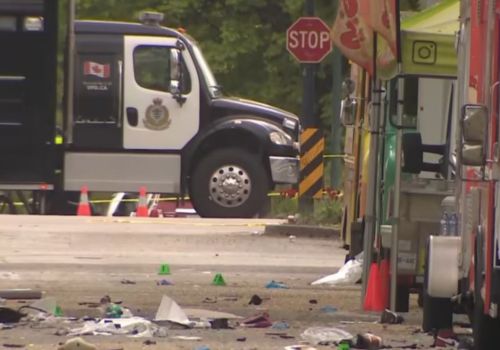
A vibrant celebration of Filipino culture in Vancouver turned into a scene of horror and mourning on April 28, 2025, when a tragic incident unfolded during the Lapu Lapu Day block party. Despite a day filled with festivities, joy, and community spirit, the event ended in chaos as a black Audi SUV accelerated and plowed into a crowd of festival-goers.

The Incident

As the main concert featuring Apl.de.ap, a Filipino member of the Black Eyed Peas, concluded around 8:00 PM, hundreds of attendees began to disperse. Vendors were in the process of packing up their stalls, and temporary barriers that had controlled traffic were removed. In this moment of transition, a black Audi SUV surged onto East 43rd Avenue, crashing into people and vendors who were still in the area. Eyewitnesses described the scene as horrific, filled with screams and panic as the vehicle struck multiple individuals.

Authorities confirmed that the driver, identified as Kai G Adam Loe, a 30-year-old man, was restrained by bystanders until police arrived. The incident resulted in multiple fatalities and left dozens injured, prompting emergency responders to transport victims to nine different hospitals across Vancouver.

Background and Security Measures

Prior to the festival, police had conducted a thorough risk assessment in collaboration with the city of Vancouver and festival organizers. They determined that no additional security measures were necessary, citing several factors:

  • Location and Layout: The only public roadway that required closure for the Lapu Lapu Day block party was East 43rd Avenue. This street was described by the acting police chief as a “minor road” and was designated for food trucks.
  • No Known Threats: Authorities reported no prior threats to the event or the Filipino community, which contributed to the decision to maintain standard security protocols.
  • Consultative Decision-Making: The decision against deploying dedicated police officers or heavy vehicle barricades was made after consultations with stakeholders involved in the festival.

During the event, wooden barricades were employed to manage traffic on East 43rd Avenue; however, these were moved shortly before the incident occurred, allowing the vehicle access.

Community Impact and Response

In the aftermath of the tragedy, the community is left grappling with the emotional toll of the event. The local Filipino community, which had gathered to celebrate their culture and heritage, is now in mourning as they seek ways to heal from the devastating loss.

The police have stated that Loe had a significant history of mental health interactions with law enforcement and healthcare professionals, raising questions about the adequacy of mental health support and intervention strategies within the community.

As investigations continue, the focus remains on providing support to the victims and their families, as well as ensuring the safety of future community events. The Lapu Lapu Day block party was intended to be a celebration of unity and culture; instead, it has become a somber reminder of the vulnerabilities that can exist even in the most joyous of occasions.

The tragic events at the Lapu Lapu Day festival serve as a stark reminder of the unpredictability of life and the importance of community safety. As Vancouver mourns, it also reflects on the need for comprehensive support systems to address mental health issues, ensuring that such incidents do not mar future celebrations. The community stands united in its grief, seeking solace and strength in one another during this difficult time. Pavel Klenyo angie

lapu-lapu day Vancouver, lapu-lapu day tragedy, Filipino Festival Vancouver, Lapu-lapu festival

Lapu Lapu Day festival | Vancouver street festival tragedy | Apl.de.ap concert incident | Kai G Adam Loe driver | East 43rd Avenue crash | Filipino community mourning | Mental health awareness | Festival safety measures | Emergency response in Vancouver | Community healing after tragedy

Ferdinand “Bongbong” Marcos Jr.: 17th Philippine President (2022-Present) – The Return of a Political Dynasty

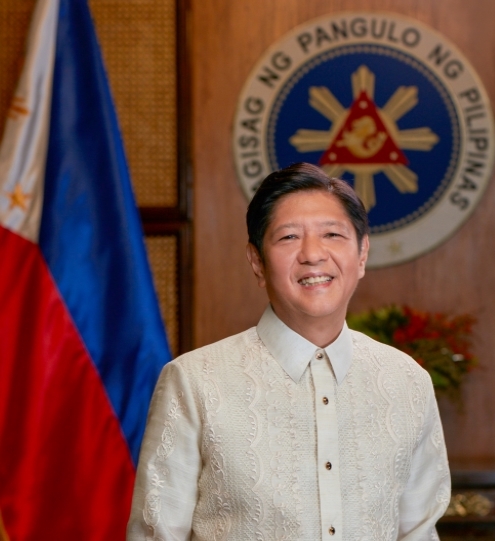
Ferdinand Romualdez Marcos Jr., popularly known as Bongbong Marcos, is a key figure in the contemporary political landscape of the Philippines. Serving as the 17th President of the Philippines since 2022, Bongbong Marcos’ rise to power represents the remarkable political comeback of the Marcos family, a name that has been both revered and reviled in Philippine history.

Bongbong Marcos is the son of the late Ferdinand Marcos Sr., the 10th president of the Philippines, and Imelda Marcos, a former first lady known for her extravagant lifestyle. The Marcos family was ousted from power during the People Power Revolution of 1986, and Bongbong’s path to the presidency is inseparably tied to the legacy of his father’s regime. His political journey, from the son of a dictator to president of the republic, has been a topic of intense debate, reflecting both the enduring influence of political dynasties in the Philippines and the complexities of history.


Early Life and Education

Bongbong Marcos was born on September 13, 1957, in Manila, to Ferdinand Marcos Sr. and Imelda Marcos. His early years were marked by his family’s wealth, political power, and high social status. His father’s regime, which began in 1965, brought prosperity to the Marcos family but also sowed the seeds of future controversy, as it was marked by allegations of widespread corruption, human rights abuses, and the imposition of martial law in 1972.

Bongbong Marcos was educated both in the Philippines and abroad. He attended Institut Le Rosey in Switzerland, a prestigious private school where he spent much of his youth. He later studied at Oxford University in the United Kingdom, where he earned a degree in Political Science, Philosophy, and Economics. His time at Oxford, however, has been the subject of controversy. While the Marcos camp has claimed that Bongbong received a degree in Philosophy, Politics, and Economics (PPE), some critics and media outlets have questioned the legitimacy of his degree, with allegations that he did not complete his academic requirements.

After completing his studies in the UK, Bongbong returned to the Philippines, where he began his political career, initially as a member of the House of Representatives.


Political Career: A Legacy of Dynastic Politics

Bongbong Marcos entered politics in 1980, following in the footsteps of his father, who had become president in 1965. At the age of 23, he was elected Vice Governor of Ilocos Norte, his family’s home province. His rise through the ranks of political office continued with his election as Governor of Ilocos Norte in 1983, a position he held until 1986. His early political career was seen as a preparation for his eventual return to national politics after the fall of the Marcos regime in 1986. erome arianahunt126

In 1986, after the People Power Revolution ousted Ferdinand Marcos Sr. and forced the family into exile, Bongbong and his family were sent into exile in Hawaii. The Marcos family spent over two decades in the United States, during which time Bongbong attempted to maintain his political relevance. He ran unsuccessfully for public office while in exile, but he remained closely involved in discussions about the Marcos family’s future in Philippine politics.

Following the death of Ferdinand Marcos Sr. in 1989, the Marcos family was allowed to return to the Philippines in 1991, after a lengthy period of exile. Bongbong’s political comeback began when he was elected as Representative of the 2nd District of Ilocos Norte in 1992, and he served in this capacity for three consecutive terms, building his political base in his family’s stronghold.

In 1998, Bongbong ran for the position of Governor of Ilocos Norte again and won, consolidating his political power in his home province. During his time as governor, he focused on local development, infrastructure, and education, which helped cement his influence in the region.


The 2016 Vice-Presidential Election: A Narrow Defeat

Bongbong Marcos sought to expand his political ambitions further in 2016 by running for Vice President. His candidacy in the vice-presidential race represented an effort to return to the national stage and restore the Marcos family’s political influence. His running mate was Rodrigo Duterte, who eventually became president.

Despite his high profile, Bongbong Marcos faced stiff competition in the vice-presidential race, particularly from Leni Robredo, the candidate from the Liberal Party. In the end, Marcos lost the vice-presidential election to Robredo by a narrow margin, a result that triggered a prolonged election protest. Marcos alleged that there had been widespread irregularities in the voting process and filed a case with the Supreme Court seeking to overturn the results. However, after years of legal battles, the court ruled against his protest in 2021, ending any hope of reclaiming the vice presidency.

Though defeated, Bongbong Marcos remained a prominent figure in Philippine politics, and his loss in 2016 only intensified his desire to return to power. The 2016 election also demonstrated his broad national appeal, particularly among voters who viewed him as a representative of the Marcos legacy and those disillusioned with the traditional political elite.


The 2022 Presidential Election: The Marcos Family Returns to Power

In 2022, after years of rebuilding the Marcos family’s political fortunes, Bongbong Marcos made his most ambitious bid yet for the presidency. Running under the banner of the Partido Federal ng Pilipinas, his campaign capitalized on the “Marcos nostalgia” among voters who believed that the country had been better off during his father’s regime, particularly in terms of infrastructure and national development.

Bongbong’s presidential campaign was marked by his promise to unite the nation and address the economic challenges exacerbated by the COVID-19 pandemic. He focused on policies related to economic recovery, infrastructure development, and job creation. His message, combined with his family’s name recognition and financial resources, resonated with a large segment of the electorate, particularly those who were not directly affected by the human rights abuses and corruption associated with the Marcos regime.

In the 2022 election, Bongbong Marcos won by a landslide, securing 58% of the vote, defeating his closest rival, Leni Robredo. His victory represented a dramatic shift in Philippine politics, as the Marcos family returned to the presidency after over three decades in exile.

Bongbong’s campaign was characterized by social media strategies and virtual outreach, which played a critical role in mobilizing support, particularly among younger voters. His team also worked hard to rebrand the Marcos family, downplaying the human rights violations and corruption scandals associated with his father’s rule and instead focusing on the positives, such as infrastructure projects and economic growth during the martial law era.


Presidency: Early Challenges and Policies

Bongbong Marcos assumed office as president on June 30, 2022. His administration faced immediate challenges, including managing the lingering effects of the COVID-19 pandemic, addressing the country’s economic woes, and dealing with the geopolitical tensions in the South China Sea.

One of his first acts as president was to focus on the economic recovery of the country, with an emphasis on agriculture and food security, both of which had suffered under the pandemic. He also called for a review of the country’s foreign policy, particularly with respect to the Philippines’ relationship with China and the United States.

Bongbong Marcos’ presidency has faced scrutiny regarding his ability to distance himself from the controversial aspects of his family’s past. While he has emphasized unity and national healing, critics have raised concerns about his potential to confront the human rights violations and corruption that occurred under his father’s rule. However, Marcos has continued to maintain a pro-business stance, and his government has sought to strengthen the country’s economy through foreign investment and infrastructure projects.


Legacy and Controversy

Bongbong Marcos’ presidency represents a remarkable political comeback for the Marcos family. His leadership, which is seen by some as an attempt to rebuild the Marcos family legacy, remains divisive. Supporters point to his economic policies and promises of stability, while critics argue that his family’s past casts a shadow over his ability to lead the country forward.The return of the Marcos family to power has reignited debates about political dynasties, historical revisionism, and the legacy of martial law. Bongbong Marcos’ success in the 2022 elections demonstrates the enduring influence of political families in the Philippines, and his presidency will undoubtedly continue to shape the nation’s political trajectory for years to come.

Rodrigo Roa Duterte: 16th Philippine President (2016-2022) – The Maverick President Who Redefined Philippine Politics

Rodrigo Roa Duterte, the 16th President of the Philippines, was elected in 2016, marking a significant shift in the country’s political landscape. Known for his unorthodox style, blunt language, and controversial policies, Duterte became one of the most divisive yet popular figures in Philippine politics. His presidency was characterized by bold reforms, a tough stance on crime, and an unpredictable foreign policy that left a lasting impact on both the country and the international community.

Duterte’s rise to the presidency was largely due to his image as a straight-talking outsider who was not afraid to challenge the political elite. His brand of governance, however, sparked intense debate over human rights, the rule of law, and the future of Philippine democracy. Despite his controversial approach, his popularity remained high, particularly among those who supported his tough stance on crime and corruption.


Early Life and Education

Rodrigo Duterte was born on March 28, 1945, in Maasin, Leyte, to Vicente Duterte and Soledad Roa Duterte. His father was a former governor of Davao, and his mother was a school teacher. Growing up in a politically active family, Duterte was exposed to the dynamics of Philippine politics early on, though his path to power was not immediate.

Duterte attended San Beda College in Manila, where he earned a law degree in 1972. Upon passing the bar exam, he returned to Davao City and began his career in law. His early years were marked by his work as a prosecutor, which gave him a firsthand look at the challenges facing law enforcement in the Philippines. This experience would later influence his tough approach to crime and justice during his presidency.


Career as Mayor: The Rise of “The Punisher”

Duterte’s political career began in 1988 when he was first elected as Mayor of Davao City, a position he held for over 22 years, either continuously or with brief interruptions. During his tenure as mayor, Duterte earned a reputation for being a tough, no-nonsense leader who prioritized security and development.

Under Duterte’s leadership, Davao City was transformed from a crime-ridden and violent area into one of the safest and most developed cities in the Philippines. His administration implemented a zero-tolerance policy for crime, leading to significant reductions in criminal activities. Duterte’s controversial approach involved a strong police presence, the establishment of anti-crime task forces, and the empowerment of local vigilante groups. His approach was often referred to as “Davao Death Squads”, and critics have accused him of overseeing extrajudicial killings, although he consistently denied these claims.

Despite the controversy surrounding his methods, Duterte’s track record in Davao City became a cornerstone of his political persona. The city, known for its cleanliness, order, and safety, became a model of governance for Duterte and helped him gain national recognition.


The 2016 Presidential Election: An Unlikely Candidate

By 2016, Duterte had become one of the most prominent local leaders in the Philippines, but his political ambitions had not yet extended to the presidency. However, his candidacy in the 2016 presidential election came as a surprise to many. Despite his outsider status and controversial reputation, Duterte’s appeal was undeniable, especially among Filipinos frustrated with the status quo.

Duterte ran as a candidate of the PDP-Laban Party, advocating for a strong anti-crime campaign, decentralization of power, and a shift in foreign policy that would prioritize the Philippines’ relationship with China over traditional alliances, particularly with the United States. His campaign slogan, “Change is Coming,” resonated with voters who were disillusioned with the political elite and the perceived inefficiency of traditional politicians.

Duterte’s blunt rhetoric and unfiltered remarks set him apart from his rivals. His statements, often controversial and incendiary, earned him both fierce support and criticism. His promise to wage an all-out war against drugs, eradicate corruption, and restore law and order appealed to many Filipinos, particularly those in rural areas and urban centers struggling with crime.

Duterte won the election with 38% of the vote, a clear victory in a crowded field. His victory marked a dramatic shift in the country’s political landscape, as Filipinos overwhelmingly turned to an outsider with a reputation for tough leadership rather than a member of the political establishment.


Presidency: A Controversial and Transformative Leadership

Rodrigo Duterte’s presidency began on June 30, 2016, and his first few years in office were marked by a series of bold and controversial actions that set the tone for his administration. His leadership style was characterized by bluntness, decisiveness, and a willingness to defy both domestic and international norms.

1. War on Drugs

Perhaps the most controversial aspect of Duterte’s presidency was his war on drugs. Duterte framed his administration’s war as a fight against the drug cartels and criminal syndicates that were plaguing Philippine society. He publicly vowed to rid the country of illegal drugs, often threatening to kill those involved in the drug trade.

The war on drugs quickly became the defining issue of Duterte’s presidency. While his supporters praised him for taking a firm stance on crime, human rights groups, the United Nations, and international governments condemned the campaign for its extrajudicial killings and violations of human rights. Thousands of deaths were reported, and many were attributed to police operations, while others were linked to vigilante groups operating with impunity.

Despite these criticisms, Duterte remained steadfast, arguing that his methods were necessary to protect the Filipino people from the scourge of drugs. His administration also passed laws to increase penalties for drug-related offenses and set up rehabilitation programs for drug users. However, the war on drugs remains one of the most contentious and divisive issues of his presidency.

2. Foreign Policy Shifts

Duterte’s foreign policy also marked a significant departure from his predecessors. He pursued a more independent and less confrontational approach to foreign relations, particularly with China. Duterte famously pivoted away from the Philippines’ historical reliance on the United States and sought closer ties with China, despite ongoing tensions over the South China Sea.

In 2016, Duterte declared that he would no longer take part in joint military exercises with the U.S. and expressed a desire to foster stronger economic and diplomatic ties with China. This shift was controversial, especially in light of the Philippines’ 2016 victory at the Permanent Court of Arbitration over China’s claims in the South China Sea. Duterte’s willingness to set aside this victory and pursue closer relations with China angered critics who believed he was compromising the country’s sovereignty.

3. Infrastructure Development

On the domestic front, Duterte launched the “Build, Build, Build” program, an ambitious infrastructure initiative designed to improve the Philippines’ transportation and communication networks. The program focused on building new roads, airports, railways, and other essential infrastructure projects, aiming to stimulate economic growth and reduce poverty in rural areas.

Though his infrastructure program made significant progress, critics have questioned its effectiveness, citing delays and cost overruns on several high-profile projects.


Controversies and Challenges

Rodrigo Duterte’s presidency was not without its fair share of challenges. His abrasive style and controversial remarks often sparked international backlash, particularly from Western nations. He frequently clashed with leaders and institutions that criticized his human rights record, including the European Union, the United States, and the United Nations.

Domestically, Duterte’s administration faced several legal and political challenges. His aggressive stance on press freedom and his attacks on journalists, especially those critical of his policies, raised concerns about democratic freedoms in the Philippines. The case of Maria Ressa, the founder of Rappler, a news website that has been outspoken in its criticism of Duterte, became a symbol of the broader issue of media repression.


Legacy and Conclusion

As Duterte’s presidency came to a close in 2022, his legacy remains a subject of intense debate. Supporters credit him with reducing crime, improving infrastructure, and pursuing an independent foreign policy that broke away from traditional alliances. His leadership, they argue, restored law and order to the country, and he gave a voice to the poor and marginalized who felt neglected by the political establishment.

On the other hand, critics view his presidency as a period of human rights violations, authoritarian tendencies, and democratic erosion. The war on drugs, in particular, cast a long shadow over his time in office, leading many to question the balance between security and human rights.

Regardless of one’s perspective, Duterte’s presidency undoubtedly marked a transformative and tumultuous period in Philippine history. His unorthodox style, bold policies, and divisive leadership ensured that his time in office will be remembered as one of the most controversial—and consequential—in the country’s modern political history.

Benigno S. Aquino III: 15th Philippine President (2010-2016) – The ‘People Power’ Legacy and the Fight for Sovereignty

Benigno Simeon Cojuangco Aquino III, often known simply as Noynoy Aquino, served as the 15th President of the Philippines from 2010 to 2016. As the son of two revered figures in Philippine history—former President Corazon Aquino and the assassinated opposition leader Benigno Aquino Jr.—Noynoy’s rise to power carried with it a sense of historical continuity. His presidency is often seen as a pivotal moment for the country, especially in terms of its democratic institutions, economic progress, and foreign policy, particularly in the context of rising tensions in the South China Sea.

Aquino’s administration marked the continuation of the ideals of the People Power Revolution of 1986, with an emphasis on good governance, transparency, and fighting corruption. His presidency brought significant accomplishments, but also faced criticism and controversy, particularly in relation to key policy decisions and political challenges.


Early Life and Education

Benigno Aquino III was born on February 8, 1960, in Manila, to one of the most politically influential families in the Philippines. His father, Benigno “Ninoy” Aquino Jr., was a prominent opposition leader under the regime of Ferdinand Marcos, and his mother, Corazon Aquino, later became the first female president of the country following the ousting of Marcos. This deep political legacy cast a long shadow over Aquino III’s life, shaping much of his worldview and leadership style.

Aquino attended Ateneo de Manila University, where he earned a Bachelor’s Degree in Economics. His education at one of the country’s top universities exposed him to ideas of public service and governance, solidifying his path toward public life. His experience at the university and his academic background in economics would later influence his policy decisions on national governance and economic reforms.

Despite his family’s prominence, Aquino’s personal life remained relatively humble. He was often described as reserved, introverted, and methodical—traits that contrasted with the image of a traditional Filipino political leader. His modest demeanor and strong sense of personal integrity became hallmarks of his public persona.


Early Political Career: A Step Toward Leadership

Benigno Aquino III initially shied away from public office. However, his journey into politics was almost inevitable. After the death of his father, Ninoy Aquino, in 1983, the Philippines was thrown into political turmoil, leading to the eventual downfall of Ferdinand Marcos and the rise of his mother, Corazon Aquino, as president.

Aquino III’s first formal foray into public service came in 1998 when he was elected to the House of Representatives. He represented the 2nd District of Tarlac, a province with strong Aquino family ties. His political debut was marked by a desire to continue his family’s legacy of reform and anti-corruption efforts. Aquino’s time in the House was brief, and he quickly moved on to higher office.

In 2007, Aquino ran for the Senate and emerged victorious, further solidifying his position in Philippine politics. His time as a senator from 2007 to 2010 was crucial in refining his political views, particularly in areas of economic policy, transparency, and anti-corruption efforts. He was known for his independent stance and his push for good governance practices.


Presidency: A New Hope for Reform

Benigno Aquino III’s presidency officially began on June 30, 2010, after securing a landslide victory in the May 2010 presidential elections. His campaign, centered on the slogan “Kayo ang Boss Ko” (“You are my Boss”), resonated deeply with the Filipino people, especially as he portrayed himself as a figure who would continue his mother’s legacy of fighting corruption and rebuilding Philippine democracy.

His rise to power symbolized a return to democratic ideals after a decade of Joseph Estrada’s controversial presidency and the politically tumultuous years under Gloria Macapagal-Arroyo. Aquino’s victory was largely seen as a rejection of traditional politics and a call for transparency, integrity, and accountability.

Economic Reforms and Growth

One of the most significant achievements of Aquino’s presidency was the robust economic growth the country experienced during his tenure. His administration worked tirelessly to bring about fiscal reforms, ensuring that the economy would remain resilient and grow in the face of global uncertainties.

Under Aquino, the Philippines saw consistent GDP growth averaging around 6% per year from 2010 to 2016. This growth was attributed to stable governance, structural reforms, and a focus on creating a business-friendly environment. Aquino’s government also worked on improving infrastructure and attracting foreign investments.

In 2013, the Philippines received an important accolade, being recognized by Standard & Poor’s as “investment-grade”—an achievement that had eluded the country for decades. This signaled a shift in the country’s economic trajectory and contributed to Aquino’s reputation as a reformer.

Fighting Corruption

One of Aquino’s most significant commitments during his presidency was his vow to combat corruption. He initiated the “Daang Matuwid” (Straight Path) program, a campaign that sought to promote integrity, transparency, and accountability in government. Aquino made it clear that his administration would prioritize fighting corruption at every level of governance.

His administration took bold steps against corruption, most notably impeaching Supreme Court Chief Justice Renato Corona in 2012 for alleged corruption and mismanagement. The move was controversial, but it demonstrated Aquino’s determination to hold public officials accountable.

Another major accomplishment of Aquino’s was the conviction of former President Joseph Estrada for plunder in 2007, which had remained politically sensitive. The ongoing reforms in law enforcement, the judiciary, and government institutions marked a significant break from the often nepotistic and patronage-driven practices of previous administrations.


The South China Sea Dispute: A Defining Foreign Policy Challenge

Aquino’s presidency also faced significant challenges in the area of foreign policy, particularly concerning tensions with China over the South China Sea. The Philippines, along with other Southeast Asian nations, has disputed China’s territorial claims in the area, which has become a focal point of regional conflict.

In 2013, Aquino took a bold step by bringing the case to the Permanent Court of Arbitration in The Hague, challenging China’s claims. The Philippines argued that China’s actions violated international law and sought a ruling that would affirm the Philippines’ exclusive economic zone (EEZ) in the South China Sea. In 2016, the court ruled in favor of the Philippines, a landmark victory for Aquino’s administration.

Despite the ruling, China refused to honor the decision, and tensions between the two countries remained high. However, Aquino’s decision to pursue a legal and peaceful resolution to the issue earned him international acclaim and further solidified his legacy in the realm of foreign diplomacy.


Controversies and Challenges

Despite his accomplishments, Aquino’s presidency was not without its fair share of controversies.

1. The Mamasapano Incident (2015)

In 2015, the Mamasapano massacre, in which 44 Philippine National Police (PNP) commandos were killed during a covert operation in Mindanao, cast a dark shadow over his administration. The operation was intended to capture a high-ranking terrorist, but it went awry, leading to the deaths of the officers and a national outcry. Aquino faced harsh criticism for his handling of the operation, with many accusing him of negligence and mishandling the mission. The tragedy became one of the most polarizing events of his presidency.

2. Disaster Response

Another criticism of Aquino’s administration was its handling of natural disasters. While the government made strides in improving disaster preparedness, the response to some disasters, such as the 2013 Typhoon Haiyan (Yolanda), drew widespread criticism for delays and mismanagement.


Post-Presidency: Legacy and Reflection

Benigno Aquino III’s presidency ended on June 30, 2016, after he was succeeded by Rodrigo Duterte. While his post-presidential years have been relatively quiet, Aquino has remained involved in public life, occasionally weighing in on key political and social issues.

As he steps back from the limelight, Aquino’s legacy continues to be debated. His supporters point to his economic successes, his commitment to good governance, and his courage in standing up to China over the South China Sea dispute. His tenure is seen as a crucial turning point in Philippine democracy, as it reestablished a focus on rule of law and transparency after years of corruption and political instability.

His critics, on the other hand, highlight the Mamasapano incident and other shortcomings of his administration, which they argue overshadowed some of his reforms.


Conclusion

Benigno Aquino III’s presidency was a tale of contrasts—a leader who sought to honor the ideals of the People Power Revolution while navigating the complex realities of governance in a country burdened by political instability and corruption. His administration’s achievements in economic growth, legal reforms, and foreign policy will be remembered as significant, while the controversies surrounding his leadership offer a more nuanced reflection of his time in office.

Aquino’s legacy will likely remain a subject of intense discussion in the years to come, but one thing is clear: his presidency played a vital role in shaping the modern political landscape of the Philippines.

Gloria Macapagal-Arroyo: 14th Philippine President (2001-2010) – The Iron Lady of Philippine Politics

Gloria Macapagal-Arroyo made history as the 14th President of the Philippines, a leader who navigated political storms, economic challenges, and legal controversies while maintaining a remarkable degree of political resilience. As the second woman to ever hold the highest office in the country, she defied numerous odds and entrenched political dynasties, carving out a significant space in Philippine history. Her time in office was marked by strong economic growth, significant reforms, but also by scandals and corruption allegations that would haunt her legacy.

Her presidency spanned two terms, from 2001 to 2010, and was preceded by a tumultuous political backdrop. Arroyo’s rise to power was itself a dramatic turn of events in the nation’s political landscape, with her ascent signaling both the fragility and resilience of Philippine democracy.


Early Life and Education

Gloria Macapagal-Arroyo was born on April 5, 1947, in San Juan, Metro Manila, to a family of political prominence. Her father, Dr. Diosdado Macapagal, was the 9th President of the Philippines (1961–1965). Her mother, Eva Macaraeg, was a well-educated woman with a keen interest in public service.

Arroyo was an exceptional student from an early age. She pursued a Bachelor of Arts degree in economics at Assumption College in Manila before earning a Master’s degree in Economics from Georgetown University in Washington, D.C. in 1971. She later completed a Doctorate in Economics at the prestigious University of the Philippines in 1985, establishing herself as one of the few economists in Philippine political leadership.

Her academic credentials set her apart from other politicians and gave her a technical foundation that would serve her well in governance.


Entry Into Politics: From Senator to Vice President

Arroyo’s political career began in 1987 when she was elected to the Philippine Senate, after returning to the Philippines from studying abroad. She served in the Senate for two terms, from 1987 to 1995, and established herself as a formidable legislator, particularly in areas concerning economic policies and foreign investments. Her legal and academic background allowed her to engage effectively in policymaking.

In 1995, Arroyo ran for and won a congressional seat representing Pampanga. She quickly rose in prominence, earning recognition for her leadership in the House of Representatives, particularly on issues such as education and economic reforms.

In 1998, Arroyo achieved a new milestone when she was selected as Vice President of the Philippines under President Joseph Estrada. Her selection was seen as a strategic move, as she brought with her a reputation for integrity and policy expertise.


The 2001 People Power Revolution and Presidential Ascension

In January 2001, the Philippines witnessed a dramatic political upheaval. A scandal involving President Joseph Estrada, who was facing allegations of corruption, led to a massive outpouring of public dissatisfaction. Estrada was accused of plundering state resources, and his impeachment proceedings became the focal point of national unrest.

When Estrada was forced to step down due to mass protests and a military revolt, Gloria Macapagal-Arroyo, as the vice president, was sworn in as the 14th President of the Philippines on January 20, 2001. Her rise was marked by the second People Power Revolution, which brought down a sitting president and solidified Arroyo’s place in Philippine political history.


First Term: Economic Reforms and Political Challenges

Arroyo inherited a nation in turmoil. Estrada’s departure created a power vacuum, and her immediate task was to stabilize the economy and restore public faith in the government. Her first term saw significant economic reforms aimed at fostering growth and improving the country’s fiscal health. Among her administration’s key achievements were:

1. Fiscal and Economic Stabilization

Arroyo prioritized stabilizing the Philippine economy, which had been severely impacted by the Asian financial crisis in the late 1990s and Estrada’s controversial governance. She implemented policies to reduce the government’s budget deficit and introduced tax reforms, including the controversial Value Added Tax (VAT) expansion in 2005. These measures were necessary to increase government revenue and pay down debt but were often unpopular due to their impact on ordinary Filipinos.

Arroyo’s economic team was lauded for its success in securing economic growth, with the Philippines emerging as one of the fastest-growing economies in Asia in the mid-2000s. In fact, during her presidency, the country recorded one of the highest growth rates in the region, with annual GDP growth regularly exceeding 5%.

2. Infrastructure Development

During her presidency, Arroyo focused on infrastructure development, particularly in roads, airports, and public transportation systems. Her “Build, Build, Build” initiative contributed to the modernization of the country’s physical infrastructure and stimulated local economies.

3. Peace and Order

Arroyo’s administration worked toward peace agreements with several insurgent groups, including the Moro Islamic Liberation Front (MILF), although the peace process faced setbacks and continued to be a challenge throughout her term.

4. Foreign Relations

On the international front, Arroyo emphasized the Philippines’ role in ASEAN and international trade. She strengthened the Philippines’ ties with the United States, but also maintained a balance in its relations with China and other Asian countries.


Second Term: Political Instability and Controversies

Despite her economic successes, Arroyo’s second term, from 2004 to 2010, was fraught with political instability and scandals.

1. The 2004 Election Controversy

One of the defining moments of Arroyo’s second term was the controversy surrounding the 2004 presidential election. Arroyo won re-election by a narrow margin, defeating film actor Fernando Poe Jr. However, her victory was marred by accusations of electoral fraud, particularly after a wiretapped conversation between her and a top official emerged, suggesting that she had manipulated the election results. The scandal, known as the “Hello Garci” scandal, caused widespread public outrage and led to calls for her resignation.

Despite the pressure, Arroyo managed to survive multiple impeachment attempts and widespread protests. However, the legitimacy of her presidency was forever questioned, and the trust deficit between her and the public grew.

2. Corruption Allegations

Arroyo’s administration also faced numerous corruption allegations, particularly concerning the National Broadband Network (NBN) deal with China’s ZTE Corporation. The deal was reportedly overpriced, and Arroyo was accused of approving it to benefit her political allies. Investigations into this deal led to protests, and while Arroyo was never formally charged, her image was severely tarnished.

3. Martial Law and the Mindanao Conflict

In response to rising insurgent activity, particularly from the Moro Islamic Liberation Front (MILF), Arroyo declared Martial Law in parts of Mindanao in 2009, a controversial decision that sparked protests and fears of the reemergence of authoritarian rule. Despite this, Arroyo maintained her focus on pursuing peace negotiations with various insurgent groups.


Post-Presidency: Legal Troubles and Legacy

After stepping down in 2010, Gloria Macapagal-Arroyo remained a significant figure in Philippine politics, serving as a congresswoman for Pampanga and later as House Speaker. However, her post-presidency years have been marked by legal challenges. She faced several charges of corruption and plunder, particularly related to the NBN-ZTE scandal. In 2016, she was released from detention after the Supreme Court ruled that she could post bail, and she continued her political career.

While some critics maintain that her political and economic legacy is tainted by corruption, others argue that Arroyo’s tenure brought significant economic improvements to the Philippines. The economic reforms she implemented during her administration paved the way for future growth, and her efforts at infrastructure development helped modernize the country’s aging systems.


Conclusion

Gloria Macapagal-Arroyo’s presidency was one of both success and scandal, where she transformed the country economically, yet faced persistent accusations of corruption and electoral manipulation. She is a deeply polarizing figure in Philippine politics, viewed by some as a capable leader who steered the country through difficult times, while others criticize her for the controversies that marred her rule. Her time in office, however, remains a significant chapter in the nation’s history—a reminder of the complex interplay between governance, power, and public perception.

Arroyo’s legacy, shaped by both accomplishments and legal battles, is unlikely to be forgotten anytime soon, as it continues to inform political discourse and governance in the Philippines.

RECOMMENDED VIDEOS